
Buying a lake home can be a smart investment and a rewarding lifestyle choice. Whether you’re looking for a full-time residence, a vacation property, or a rental opportunity, waterfront homes come with unique factors that buyers should understand before making an offer.
Here are the key considerations to keep in mind.
Waterfront Location and Lake Type
Not all lakes are the same. Research whether the lake is natural or man-made, private or public, and how water levels are managed. Some reservoirs fluctuate seasonally, which can affect dock access and shoreline usability.
You should also check zoning regulations, short-term rental rules, and any homeowners’ association requirements. Properties on popular lakes near major cities often have stronger resale value, but they may also come with higher taxes and stricter guidelines.
Shoreline and Water Access
Evaluate the shoreline carefully. Is it rocky, sandy, or muddy? Is there a gradual slope into the water, or a steep drop-off? These factors affect swimming, boating, and long-term erosion risks.
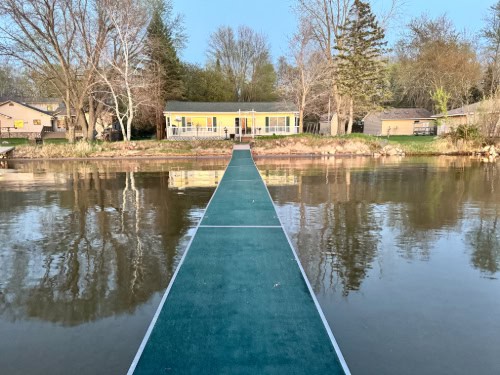
Look into dock permits and maintenance requirements. In some areas, dock installation is regulated by local or state agencies. Make sure the existing dock is compliant and in good structural condition.
Insurance and Financing
Lake homes may require additional insurance coverage. Flood insurance is often necessary, even if the property is not in a high-risk flood zone. Lenders may also have stricter requirements for waterfront properties, especially if the home will be used as a second residence or rental.
Before closing, get clear estimates for property taxes, insurance premiums, and utility costs.
Utilities and Infrastructure
Some lake homes are connected to municipal water and sewer systems, but others rely on wells and septic systems. Get these systems inspected before purchase. Rural lake properties may also have limited internet service or unpaved road access, which can affect daily convenience and resale value.
Maintenance and Ongoing Costs
Owning a lake home comes with additional maintenance responsibilities. Waterfront exposure increases wear and tear on siding, roofing, decks, and windows due to moisture and wind. Regular inspections and preventative maintenance are essential.
Shoreline management is another important factor. You may need to address erosion, maintain retaining walls, or manage vegetation along the water’s edge. Lake weed removal is often necessary to keep swimming areas and boat access clear. Depending on local regulations, this may require permits or professional services.
Docks, boat lifts, and seawalls also require seasonal maintenance. In colder climates, winterizing plumbing systems and removing docks before freezing conditions is critical to prevent damage.
Long-Term Value and Lifestyle Fit
Finally, think about how you plan to use the property. Is it easily accessible year-round? Are nearby amenities open during the off-season? Consider whether the home meets your long-term needs, not just summer recreation.
A lake home can offer strong lifestyle and investment benefits, but only if you understand the responsibilities that come with waterfront ownership. Taking time to evaluate location, regulations, and maintenance requirements will help you make a confident and informed decision.
ATR101126